
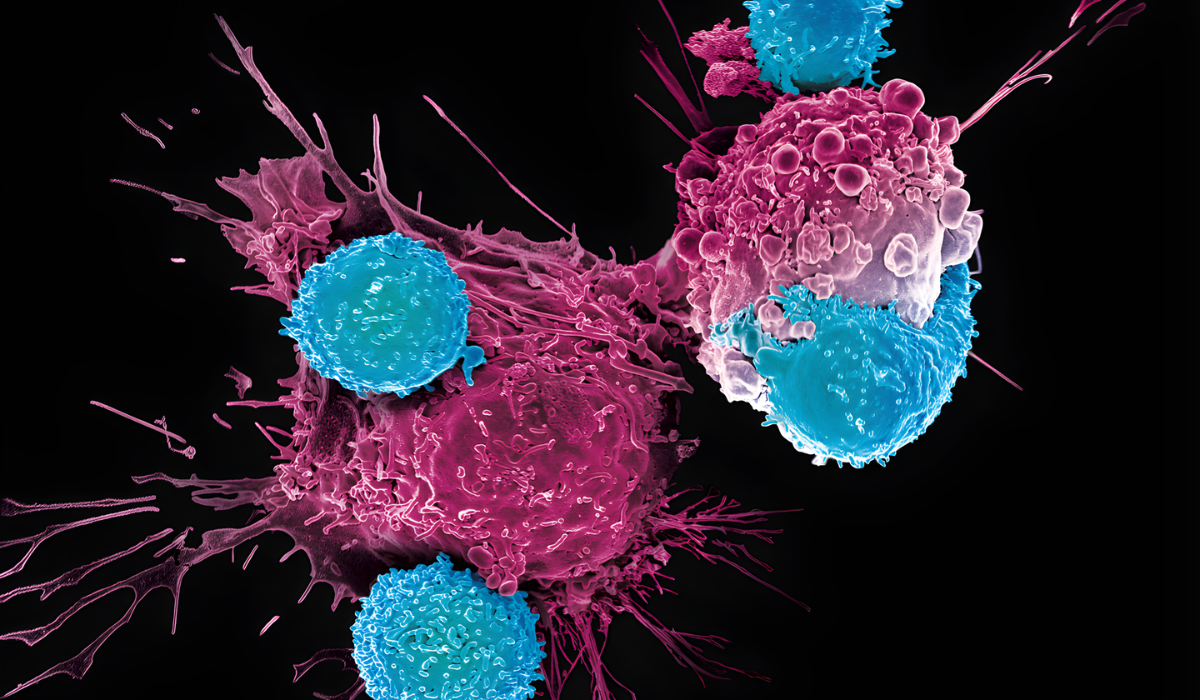
For decades, patients with severe autoimmune diseases have depended on lifelong medication to manage their symptoms. Now, a therapy originally designed to treat cancer may offer a groundbreaking new approach.
In a series of recent studies, researchers have applied CAR-T therapy to patients with serious autoimmune conditions such as Systemic Lupus Erythematosus (SLE), sparking optimism that this method could reshape the way these diseases are treated.
The latest findings come from the CASTLE clinical trial, published in January 2026 in Nature Medicine. The study evaluated the therapy in 24 patients diagnosed with three autoimmune diseases: lupus, systemic sclerosis, and inflammatory myopathies.
According to the study, the therapy was effective in 22 of the 24 patients enrolled in the trial. Many lupus patients went into remission, disease progression halted in those with systemic sclerosis, and individuals with inflammatory myopathies showed improved muscle strength.
Notably, 91.6% of participants were able to discontinue all medications within 18 months after receiving just a single infusion.
A Disease Without a Cure
Autoimmune diseases arise when the immune system mistakenly attacks the body’s own tissues. In lupus, this can affect multiple organs, including the kidneys, heart, joints, skin, and brain.
Around five million people worldwide are living with lupus, and so far, no cure exists. Most patients depend on long-term immunosuppressants and steroids to manage the condition.
While these treatments can help control the disease, they do not address its underlying cause and often come with serious side effects.
For many, living with lupus means lifelong medication, recurring flare-ups, and an ongoing risk of organ damage.
Transforming the Immune System
CAR-T therapy offers a fundamentally different approach. Rather than broadly suppressing the immune system, it works by reengineering a patient’s own immune cells.
In this process, doctors extract T-cells – a type of white blood cell – and genetically modify them in the lab so they can identify and destroy specific immune cells known as B-cells.
These B-cells are thought to play a key role in autoimmune diseases, as they produce harmful antibodies that attack the body.
Once reintroduced into the patient, the modified cells target and eliminate these disease-causing B-cells, effectively resetting a part of the immune system.
Earlier Findings Pointed to a Breakthrough
The therapy’s potential first became evident in a smaller study published in 2024 in the New England Journal of Medicine by researchers from University Hospital Erlangen in Germany.
In that study, 15 patients with severe lupus – each of whom had not responded to standard treatments – were given CAR-T therapy.
All patients achieved complete remission, showing no symptoms. The disease-driving autoantibodies disappeared from their blood, and many were able to stop taking steroids and other immunosuppressive drugs.
Several of these remissions have lasted for more than two years.
A Potential Breakthrough in Autoimmune Medicine
The CASTLE trial builds on earlier findings, indicating that the therapy may be effective across multiple autoimmune diseases – not just lupus.
Researchers believe these results point to CAR-T therapy as one of the most significant breakthroughs in autoimmune treatment in decades.
Rather than relying on lifelong symptom management, this approach offers the potential for long-term remission after a single treatment.
However, further long-term studies are needed. CAR-T therapy remains complex and costly, and its long-term safety in treating autoimmune diseases is still being evaluated.
Even so, for patients who have spent years coping with unpredictable and debilitating conditions, these findings may mark the beginning of a new era in treatment.