
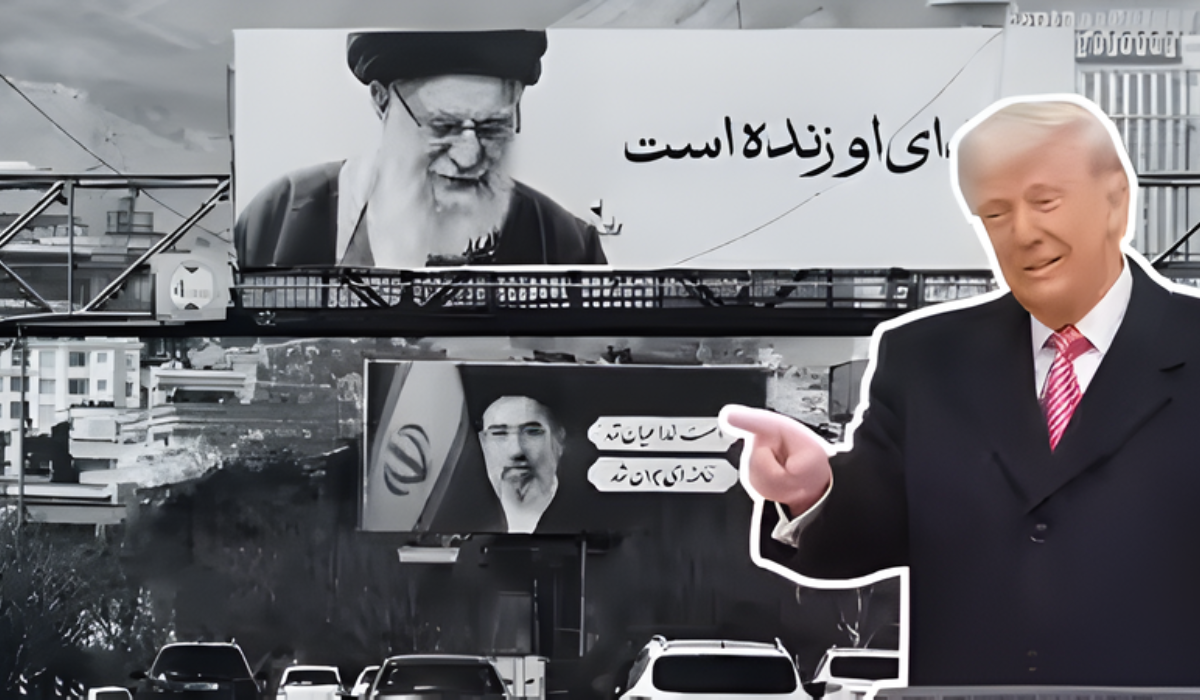
Mojtaba Khamenei, Iran’s supreme leader, is reportedly unconscious and undergoing urgent medical treatment in the city of Qom, raising serious questions about who is currently in charge as tensions escalate with the United States and Israel.
According to a diplomatic memo cited by The Times, based on US and Israeli intelligence assessments, the 56-year-old cleric is said to be in a “severe” condition and “unable to take part in any decision-making by the regime.” The memo reportedly marks the first public disclosure of his location, placing him in Qom – considered Iran’s religious centre – while noting that intelligence agencies had been aware of his whereabouts for some time but had not previously made it public.
Iran has confirmed that Mojtaba Khamenei was injured in the same airstrike that reportedly killed his father, Ali Khamenei, along with several close family members on February 28. However, officials maintain that he is still “in charge” of the country, despite not being seen in public since the conflict began. No verified video or audio of him has surfaced – only written statements read on state television and a recently released AI-generated clip.
The absence of direct communication has fuelled speculation about his condition, with opposition groups claiming he may be in a coma. Other unverified reports suggest he sustained serious injuries, including fractures and facial wounds. This uncertainty has raised concerns about leadership in Iran, where the supreme leader holds ultimate political and religious authority.
The situation has also intensified questions about whether the Islamic Revolutionary Guard Corps is effectively in control, potentially reducing Khamenei to a symbolic figurehead. Donald Trump appeared to reinforce this view, stating that he is negotiating with other Iranian officials rather than directly with the supreme leader.
Meanwhile, preparations are reportedly underway in Qom for the burial of Ali Khamenei, with intelligence suggesting plans for a large mausoleum that could accommodate multiple graves.
The delay in his funeral – unusual in Shia tradition, which typically calls for swift burial – has raised further questions, especially as Wednesday marks 40 days since his death, signalling the end of the formal mourning period.
The uncertainty at the top of Iran’s leadership comes as tensions continue to escalate. Donald Trump has repeatedly threatened strikes on key Iranian infrastructure, including power plants and bridges, tying shifting deadlines to demands over the Strait of Hormuz.
Iran, however, has rejected ceasefire proposals and warned that it will not back down under pressure.