
As dengue continues to pose a significant public health challenge across many tropical and subtropical regions, scientists are exploring innovative approaches to reduce the spread of the disease.
One method that has attracted growing attention in recent years is the release of mosquitoes infected with Wolbachia bacteria into local environments.
At first glance, the concept may seem unusual. Since mosquitoes are widely known for transmitting diseases, many people wonder why scientists would intentionally release more of them. This question has generated both curiosity and concern in communities where Wolbachia mosquito programmes are being implemented.
Many people question whether these mosquitoes bite humans, if they can cause infections, or whether releasing them could introduce new health risks. Social media has further added to the confusion, with numerous myths spreading about what Wolbachia mosquitoes are and how they function.
In reality, the situation is far less concerning than many assume. Wolbachia is neither a new technology nor a genetically modified organism. It is a naturally occurring bacterium that has existed in insects for millions of years. Scientists are using it as a tool to limit mosquitoes’ ability to transmit diseases such as dengue, Zika, chikungunya, and yellow fever.
Understanding how Wolbachia works is key to separating scientific evidence from widespread misconceptions.
What Is Wolbachia?
Wolbachia is a naturally occurring bacterium present in nearly 60% of insect species around the world. It lives within the cells of various insects, including butterflies, moths, beetles, and flies.
Interestingly, the mosquito species Aedes aegypti, which is primarily responsible for transmitting dengue, does not naturally carry Wolbachia. To address this, scientists introduce the bacterium into these mosquitoes under carefully controlled laboratory conditions.
After being infected with Wolbachia, the mosquitoes are released into the environment, where they mate with local mosquito populations and gradually pass the bacterium on to future generations.
Do Wolbachia Mosquitoes Bite Humans?
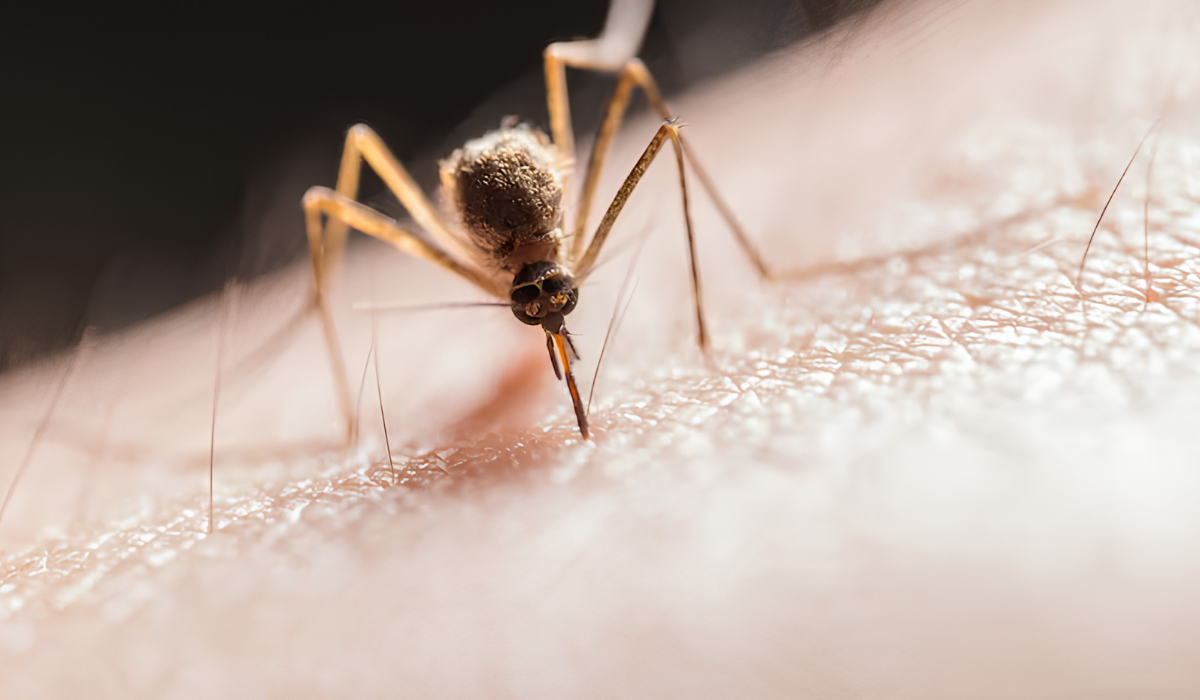
Yes, Wolbachia-infected mosquitoes can bite humans.
This is one of the most common misconceptions surrounding Wolbachia programmes. The mosquitoes released as part of these initiatives are still mosquitoes, and female mosquitoes continue to bite because they require blood to produce eggs.
However, the key difference is that Wolbachia reduces the mosquito’s ability to carry and spread viruses responsible for diseases such as dengue, chikungunya, and Zika.
Simply put, a bite from a Wolbachia-infected mosquito feels no different from a regular mosquito bite. The major distinction is that these mosquitoes are far less likely to transmit disease-causing viruses.
Myth: Wolbachia Mosquitoes Can Infect Humans
One of the biggest concerns surrounding Wolbachia programmes is whether the bacterium can spread from mosquitoes to humans.
Scientific evidence indicates that Wolbachia does not infect people. The bacterium naturally survives inside insect cells and is not known to cause illness or disease in humans.
Researchers have been studying Wolbachia for decades, and large-scale field programmes have been implemented across several countries without any evidence suggesting harm to human health.
Myth: Wolbachia Mosquitoes Are Genetically Modified
Another common misconception is that Wolbachia mosquitoes are genetically modified organisms (GMOs).
In reality, these mosquitoes are not genetically engineered. Scientists introduce a naturally occurring bacterium into mosquitoes using laboratory breeding methods rather than altering their genetic makeup.
The mosquito’s DNA remains unchanged throughout this process.
How Do Wolbachia Mosquitoes Help Fight Dengue?
When dengue viruses enter a mosquito carrying Wolbachia, the bacterium disrupts the virus’s ability to multiply inside the insect. As a result, the virus often fails to reach levels high enough to be passed on to another person through a mosquito bite.
Over time, if a large proportion of mosquitoes in an area carry Wolbachia, the overall risk of dengue transmission can decrease significantly. Multiple studies have reported reductions in dengue cases in regions where Wolbachia programs have been introduced.
Are More Mosquitoes Being Released Into the Environment?
Some people are concerned that releasing Wolbachia mosquitoes could lead to an increase in mosquito populations.
However, these releases are generally temporary and are intended to replace existing mosquito populations rather than permanently add to their numbers. Once Wolbachia becomes established within the local mosquito population, large-scale releases are typically no longer required.
The goal is not to increase mosquito numbers but to establish a mosquito population that is less capable of transmitting diseases.
Are Wolbachia Mosquitoes Safe for Children and Pregnant Women?
Current research indicates that Wolbachia mosquitoes do not present any unique risks to children, pregnant women, or other vulnerable groups.
Because Wolbachia does not infect humans and naturally exists in many insect species, public health authorities generally consider this approach safe when carried out through regulated programmes.
People may still receive regular mosquito bites, but the presence of Wolbachia does not make these bites more dangerous or harmful.
Why Are Public Health Experts Interested in This Strategy?
Traditional mosquito control measures, including insecticides, fogging, and eliminating breeding sites, continue to play an important role in controlling mosquito populations. However, these methods often face limitations, such as insecticide resistance and the challenge of reaching every breeding area.
Wolbachia provides a complementary strategy that works from within mosquito populations themselves. Rather than focusing on eliminating every mosquito, the approach aims to reduce mosquitoes’ ability to spread disease.
By making mosquito populations less capable of transmitting viruses, this strategy has the potential to reduce outbreaks and ease the burden of mosquito-borne diseases in communities where dengue remains a significant public health issue.
While Wolbachia mosquitoes can still bite humans because they remain mosquitoes, the bacterium they carry does not infect people and is not known to cause disease in humans.
The aim of releasing Wolbachia mosquitoes is not to increase mosquito populations but to reduce the transmission of dangerous viruses such as dengue, chikungunya, and Zika. While public questions and concerns are understandable, current scientific evidence suggests that Wolbachia is a promising public health approach that could make mosquito bites less likely to lead to serious illness.
As countries continue exploring more effective ways to control dengue, Wolbachia mosquito programmes are increasingly emerging as one of the world’s most closely monitored and promising disease-prevention strategies.