
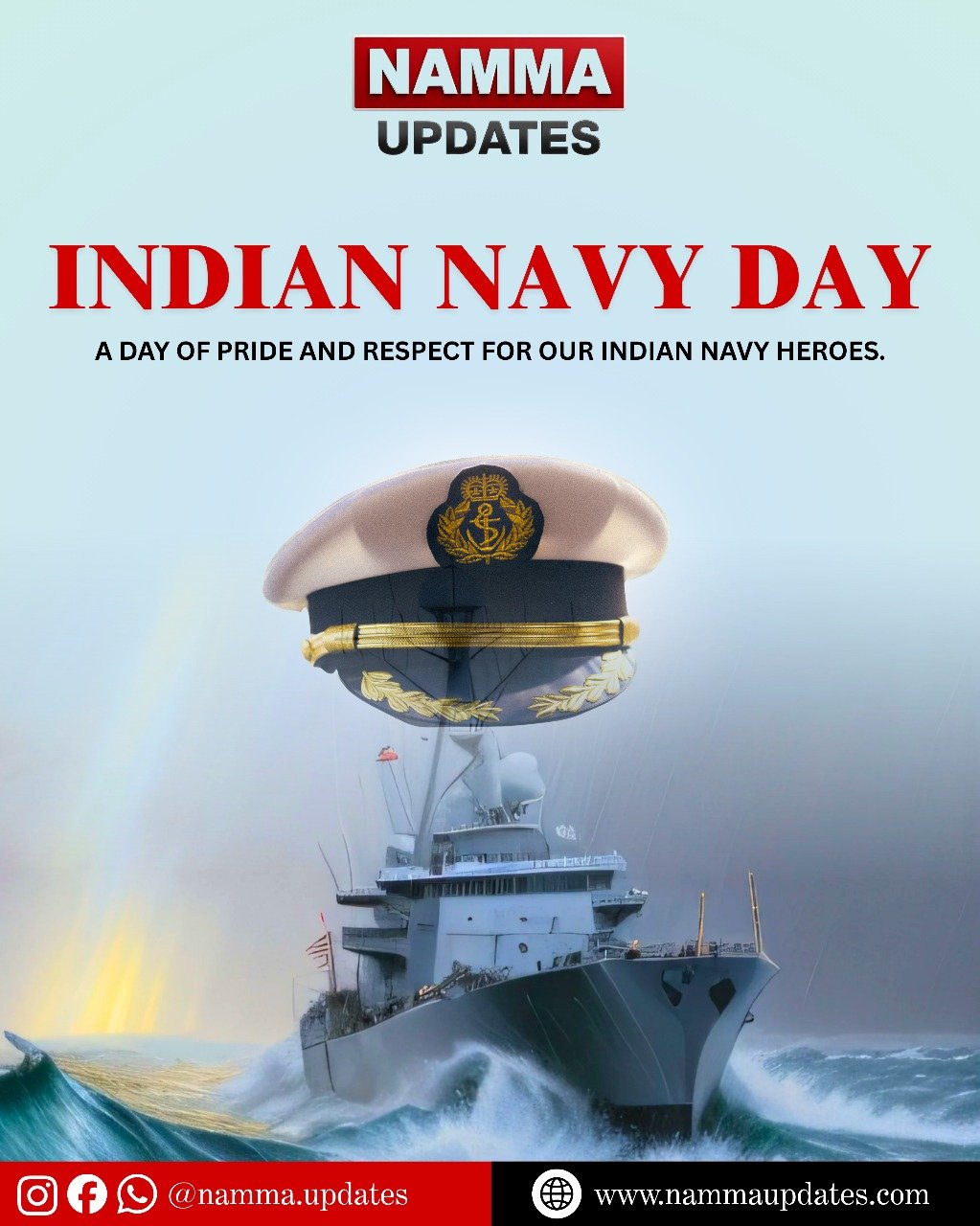
Every year on December 4, India celebrates Navy Day to honour the courage, dedication, and strategic excellence of the Indian Navy. The day is observed to commemorate Operation Trident, a daring and highly successful naval operation carried out during the 1971 India-Pakistan War. Over the years, Navy Day has grown to be a symbol of the nation’s maritime strength and a reminder of the critical role played by the Navy in defending the country’s coastline, safeguarding trade routes, and projecting India’s power at sea.
The Story of Operation Trident
Operation Trident was launched on the night of December 4, 1971, against the Pakistani naval base at Karachi during the Bangladesh Liberation War. The operation was planned with precision, combining strategy, intelligence, and bravery. It involved the deployment of Indian Navy ships armed with missiles and torpedoes, targeting Pakistani warships, naval installations, and fuel depots.
The operation was a remarkable success. The Indian Navy destroyed several Pakistani vessels, inflicted significant damage to port infrastructure, and severely disrupted Pakistan’s naval capabilities. The operation not only demonstrated India’s growing naval power but also boosted the morale of the armed forces and the nation during the 1971 conflict. December 4 is remembered as a day when India showcased strategic ingenuity and decisive action at sea.
Why Navy Day is Celebrated on December 4
December 4 was specifically chosen to mark Navy Day because it coincides with the date of Operation Trident, the first major offensive by the Indian Navy in modern warfare. This day serves as a tribute to the officers, sailors, and support staff whose efforts and sacrifices contributed to the success of the mission. It is a day for citizens to reflect on the role of the Navy in protecting India’s maritime borders and supporting the nation during times of war and peace.
The Indian Navy observes the day with a variety of ceremonial events, including flag hoisting, parades, exhibitions, and public outreach programs. The celebrations aim to educate people about the Navy’s role, encourage young talent to consider careers in maritime defence, and instill a sense of pride in India’s naval achievements.
Significance of the Indian Navy
The Indian Navy plays a crucial role beyond wartime operations. It ensures the safety of India’s coastline, protects critical maritime trade routes, conducts humanitarian missions, provides disaster relief, and participates in international peacekeeping exercises. The Navy also works closely with other branches of the armed forces to maintain national security and project India’s strategic interests across the oceans.
Operation Trident remains a prime example of how naval preparedness, training, and technological capability can deliver decisive results. It highlighted the importance of modernising the fleet, adopting new technologies, and maintaining rigorous training standards to face contemporary challenges in maritime security.
Celebrations and Tributes
Navy Day is marked by ceremonial parades at naval bases across India. The Mumbai Naval Dockyard, where Operation Trident was launched, often hosts special commemorative events. Ships are decorated, and officers and sailors are recognised for their service and bravery. Educational institutions and media outlets highlight the history of Operation Trident, ensuring the story of courage and strategic brilliance is passed on to younger generations.
In addition, the Indian Navy often conducts open days during which citizens can visit naval ships, interact with personnel, and learn about modern naval operations. These initiatives aim to foster awareness of maritime security and inspire patriotism among the public.
Modern-Day Relevance
Although Operation Trident took place over five decades ago, the principles of planning, coordination, and bold execution remain relevant today. Navy Day serves as a reminder that maritime security continues to be a vital aspect of national defence. With emerging threats in the Indian Ocean Region, including piracy, smuggling, and geopolitical tensions, the Navy’s readiness and strategic capability are as critical now as they were during the 1971 war.
The observance of Navy Day also highlights India’s growing influence in global maritime affairs. Modern Indian Navy exercises and collaborations with other countries underscore India’s commitment to peace, security, and freedom of navigation in international waters.
A Tribute to Heroes
On Navy Day, tributes are paid to the officers and sailors who fought valiantly during Operation Trident, as well as to all personnel currently serving in the Navy. Their dedication and sacrifices are celebrated through awards, recognition ceremonies, and media features. It is a day to honour both historical achievements and contemporary contributions to national security.
For the general public, Navy Day is an opportunity to reflect on the significance of a strong maritime force and the role it plays in protecting the nation’s interests. Schools and colleges often hold educational programs about naval history and warfare, ensuring that the heroic stories of Operation Trident and other naval operations are remembered.