
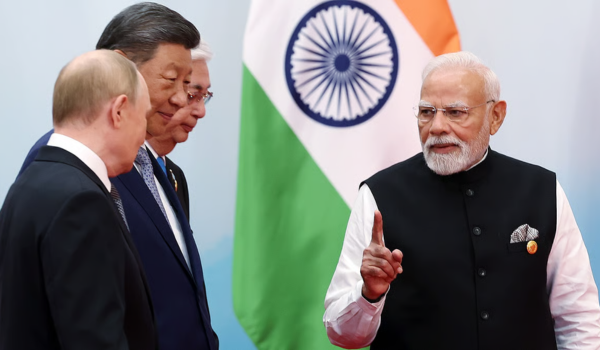
India’s ascent to become the world’s fourth-largest economy, surpassing Japan, is being seen as a landmark moment that reflects the country’s growing economic strength and global influence. This achievement highlights how India has steadily transformed from a developing economy into a key driver of global growth, powered by reforms, innovation, and strong domestic demand.
Over the past few years, India’s economy has benefited from sustained government spending on infrastructure, including highways, rail networks, airports, and digital connectivity. These investments have improved logistics, reduced costs for businesses, and boosted productivity across sectors. At the same time, reforms aimed at improving the ease of doing business, simplifying taxation, and encouraging private investment have helped create a more stable and attractive economic environment.
The services sector continues to play a central role in India’s economic expansion. Information technology, software services, business outsourcing, and financial services have not only generated employment but also strengthened India’s position in global markets. In addition, manufacturing has gained momentum through initiatives that promote domestic production, exports, and supply-chain diversification, making India an increasingly important manufacturing hub.
India’s strong consumer base has been another major growth engine. With rising incomes, a growing middle class, and increased urbanization, consumer spending has remained resilient even amid global economic uncertainty. Digital transformation has further accelerated growth, with widespread adoption of online payments, e-commerce, and digital platforms driving efficiency and inclusion across the economy.
In contrast, Japan’s economy has faced structural challenges such as an aging population, shrinking workforce, and prolonged periods of low growth. While Japan remains a highly advanced economy with strong technological capabilities, these long-term issues have slowed its overall expansion, allowing faster-growing economies like India to move ahead in global GDP rankings.
Experts say India’s rise to the fourth position signals a broader shift in the global economic order, where emerging economies are playing a larger role. Many projections suggest that India could continue climbing the rankings in the coming years if current growth trends are maintained. However, analysts also caution that sustaining this momentum will require a strong focus on job creation, skill development, controlling inflation, and ensuring that growth remains inclusive.
As India steps into its new role among the world’s top economies, policymakers emphasize that the next challenge is to translate economic size into higher living standards, reduced inequality, and long-term stability. The milestone not only reflects India’s economic progress so far but also sets higher expectations for the country’s future on the global stage.
For more details and the fastest updates, follow us on @namma.updates. Stay informed and stay connected.