
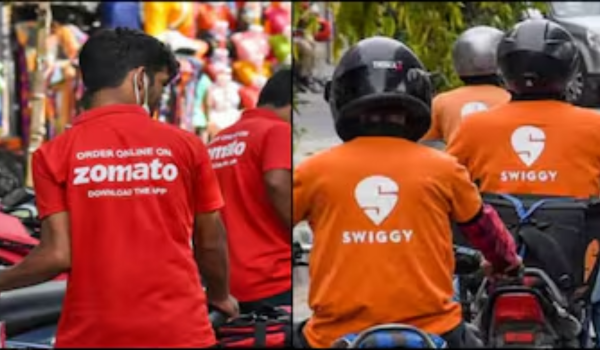
The planned New Year’s Eve strike by Swiggy, Zomato and other gig delivery workers has added fresh attention to the challenges faced by India’s rapidly expanding app-based workforce. With December 31 traditionally marking peak demand for food, grocery and parcel deliveries, worker groups say the timing of the protest is meant to highlight how dependent platforms and consumers have become on delivery partners.
According to worker representatives, one of the most pressing concerns is the growing pressure to meet ultra-fast delivery timelines. Riders argue that promises of 10-minute or 15-minute deliveries push them to take risks on congested roads, especially late at night, increasing the chances of accidents. Many say safety takes a back seat to speed-based ratings and penalties imposed by apps.
Another key demand centers on fair and stable earnings. Gig workers claim that frequent changes in incentive structures and payout formulas have made incomes unpredictable. Rising fuel prices, vehicle maintenance costs, and long working hours have further squeezed take-home pay. Workers are calling for a minimum guaranteed income and transparent per-kilometre rates that reflect real expenses.
Delivery partners are also demanding basic social security protections, including health insurance, accident cover, paid leave and emergency support. Despite working long hours in all weather conditions, many say they are left vulnerable during illness, injury or family emergencies, with little to no institutional support.
Concerns over account deactivations and rating systems have also featured prominently in the strike call. Workers allege that accounts can be blocked or restricted without clear reasons, cutting off their source of income overnight. They are seeking clear policies, advance warnings, and proper appeal mechanisms to address grievances fairly.
The strike has renewed calls for government intervention and regulatory clarity for the gig economy. Worker groups are urging authorities to formally recognise gig workers under labour frameworks and facilitate discussions between platforms, workers and policymakers to resolve long-standing issues.
For consumers, the strike could mean longer delivery times, limited service availability or temporary disruptions during New Year celebrations. While platforms are attempting to manage operations by offering higher incentives, workers insist that short-term bonuses do not solve deeper structural problems.
As India’s gig economy continues to grow, the New Year’s Eve strike underscores a larger debate about balancing convenience and growth with fair wages, safety and dignity for workers who keep the system running.
For more details and the fastest updates, follow us on @namma.updates. Stay informed and stay connected.