
Australia, which relies on imports for about 90% of its fuel, has faced soaring petrol prices and localized shortages due to the US-Israeli war on Iran and disruptions in the Strait of Hormuz.
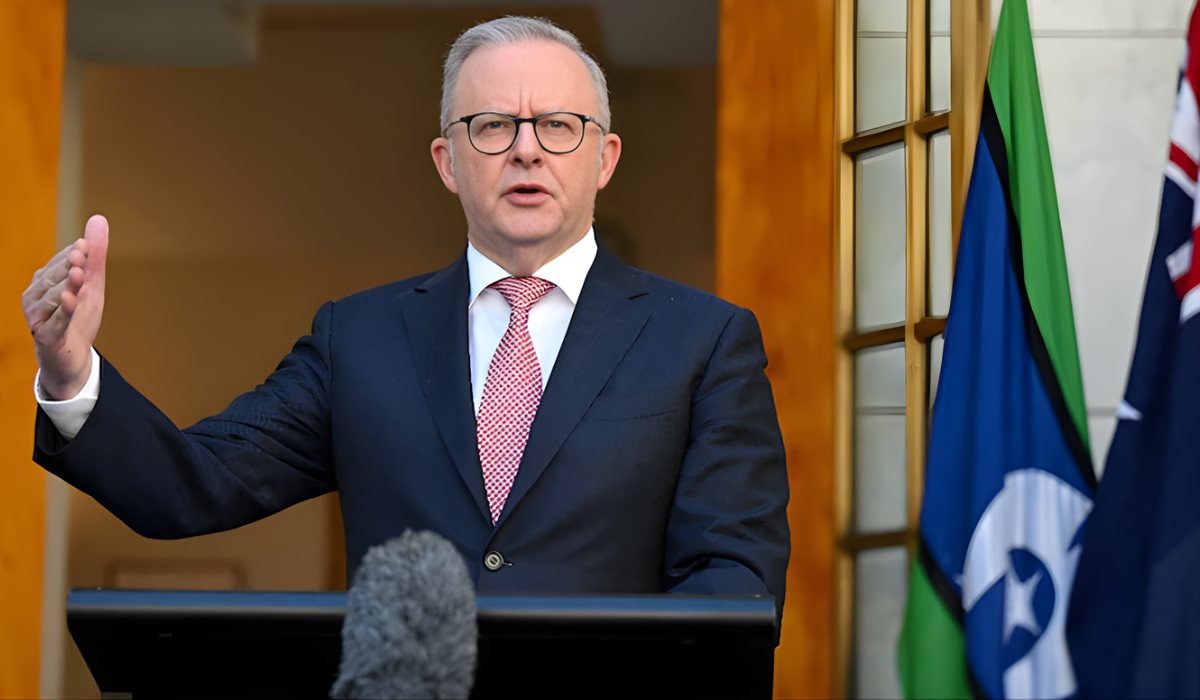
Anthony Albanese warned that the economic impact of the Middle East conflict would be felt for months, urging citizens to use public transport in a rare national address on Wednesday.
The address was simultaneously broadcast on major television and radio channels at 7 pm, echoing similar speeches made during the COVID-19 pandemic and the 2008 Global Financial Crisis.
Australia, which depends on imports for about 90% of its fuel, has experienced a sharp rise in petrol prices and localized shortages due to the US-Israeli war on Iran and the blockade of the Strait of Hormuz.
“I understand it is difficult to stay positive right now,” said Anthony Albanese. “The Middle East conflict has triggered the largest surge in petrol and diesel prices in history. While Australia is not directly involved, Australians are still bearing the cost through higher prices.”
“The economic impact of this war will be felt for months.”
Anthony Albanese urged citizens to “do their part” to ease pressure on fuel supplies, including avoiding stockpiling ahead of the Easter holidays starting this week and opting for public transport.
He urged motorists to avoid overfilling, saying they should take only the fuel they need and consider others in their community, including those in rural areas and essential sectors.
He urged people to consider using public transport, such as trains, buses, or trams, for their commute in the coming weeks.
Fuel Stocks Fall Below Recommended Levels
The month-long conflict has expanded across the Middle East, leaving thousands dead, disrupting energy supplies, and raising fears of a global economic downturn.
Anthony Albanese said the months ahead “may not be easy” but assured that the government would do everything possible to support Australians.
Earlier this week, the government announced it would cut excise on petrol and diesel by half and suspend the heavy-road-user charge for three months, at a cost of about A$2.55 billion ($1.75 billion), to help households manage rising costs driven by the war.
Australia’s fuel reserves are at a 15-year high, but still remain well below the International Energy Agency’s recommended 90-day level.
Jim Chalmers said on Wednesday that small businesses impacted by the war would receive easier access to credit.
“We know the fallout is widespread, but with everyone doing their part and working together, we can get through this,” Jim Chalmers said.