
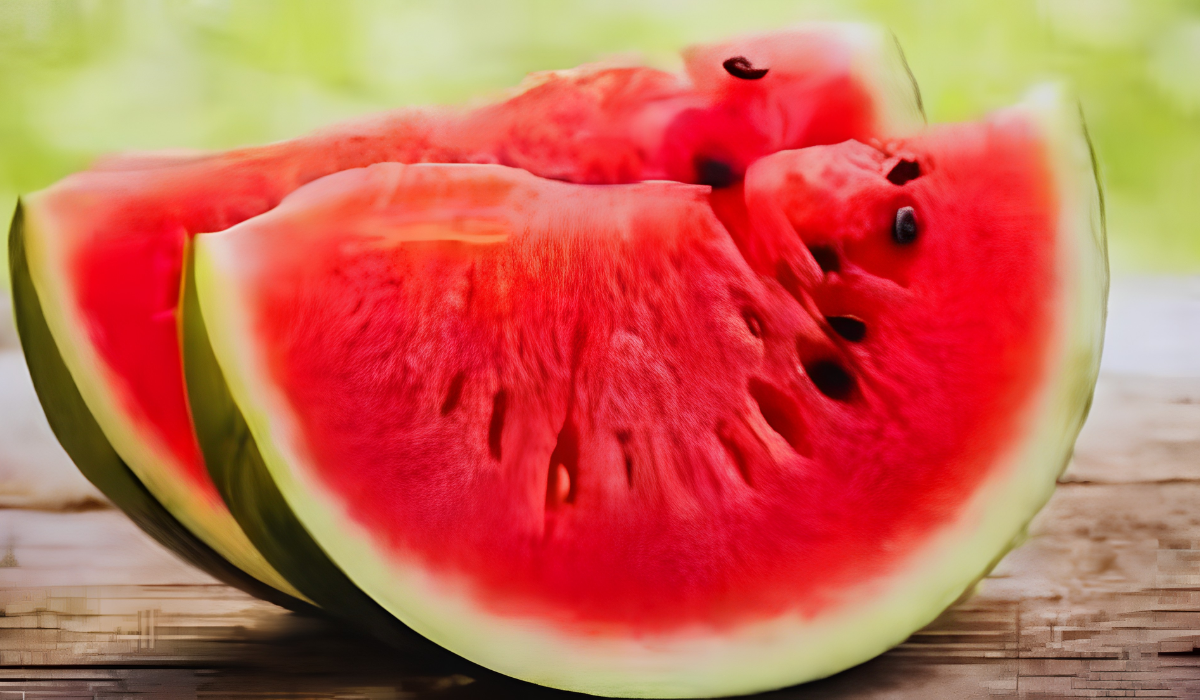
Watermelon is among the most popular summer fruits in India due to its juicy, refreshing taste and high water content, making it ideal for hot weather. Many people either buy pre-cut watermelon from markets or refrigerate sliced pieces to enjoy later in the day. However, experts caution that cut watermelon can spoil quickly if it is not stored and handled correctly.
According to Samiksha Kalra, freshly cut watermelon is usually safe and healthy to eat if it is prepared hygienically and stored properly. However, once sliced, the fruit becomes more prone to bacterial contamination, particularly during the hot and humid conditions common in Indian summers.
The dietician noted that the main concern arises when cut watermelon is left at room temperature for extended periods. Warm weather provides an ideal environment for harmful bacteria such as Salmonella and Listeria to grow rapidly on the exposed surface of the fruit.
“These bacteria can raise the risk of foodborne illnesses, potentially causing stomach cramps, vomiting, diarrhoea, fever, and dehydration,” Samiksha Kalra said.
Why does cut watermelon spoil faster in summer?
A whole watermelon is naturally protected by its thick outer rind. However, once the fruit is sliced, its soft and water-rich flesh gets exposed to air, moisture, hands, knives, and surfaces that may contain bacteria or other germs.
Watermelon naturally has a high water and sugar content, which creates favourable conditions for bacteria to multiply if the fruit is not refrigerated soon after cutting.
Experts warn that keeping sliced watermelon outside for several hours during summer can significantly increase the risk of contamination and spoilage.
How to safely store cut watermelon during summer.
Samiksha Kalra advised that cut watermelon should always be kept in an airtight container or properly covered before being stored in the refrigerator.
She recommended storing the fruit at a temperature of 4°C or lower to help slow bacterial growth and preserve freshness.
Experts also suggest consuming cut watermelon within one to two days to enjoy its best taste, texture, and nutritional benefits.
“Freshly cut fruit is always the healthiest choice,” the dietician added.
Why washing watermelon before cutting is important
A common mistake many people make is slicing watermelon without first washing its outer rind. Experts caution that bacteria on the surface can easily spread to the edible flesh when the knife cuts through the fruit.
To minimise this risk, the watermelon’s outer skin should be thoroughly cleaned under running water before cutting.
Using clean knives, chopping boards, and storage containers is also essential to help prevent contamination.
Signs that your watermelon may have spoiled
Experts advise avoiding watermelon if you notice any of the following signs:
- A sour or fermented odour
- A slimy or overly soft texture
- Discolouration
- Foamy liquid on the surface
- An unusual or unpleasant taste
These warning signs may indicate spoilage or bacterial contamination, making the fruit unsafe to eat.
Why proper watermelon storage is important during summer
Cases of food poisoning tend to increase during summer as heat and humidity create ideal conditions for bacteria to multiply rapidly in food, especially fruits, dairy products, and cooked items left unrefrigerated.
Children, elderly individuals, pregnant women, and those with weakened immunity are more vulnerable to complications caused by contaminated food.
Health experts say that following simple food hygiene practices can significantly reduce the risk of illness. Proper refrigeration, washing fruits before cutting, avoiding stale food, and consuming fresh produce within a safe time frame are some of the key precautions.
Watermelon continues to be a nutritious summer fruit packed with hydration, vitamins, and antioxidants. However, experts emphasise that proper handling and storage after cutting are equally important for safe consumption.
As temperatures continue to rise across the country, maintaining correct storage habits can help people enjoy this refreshing summer fruit safely while lowering the risk of foodborne infections.