
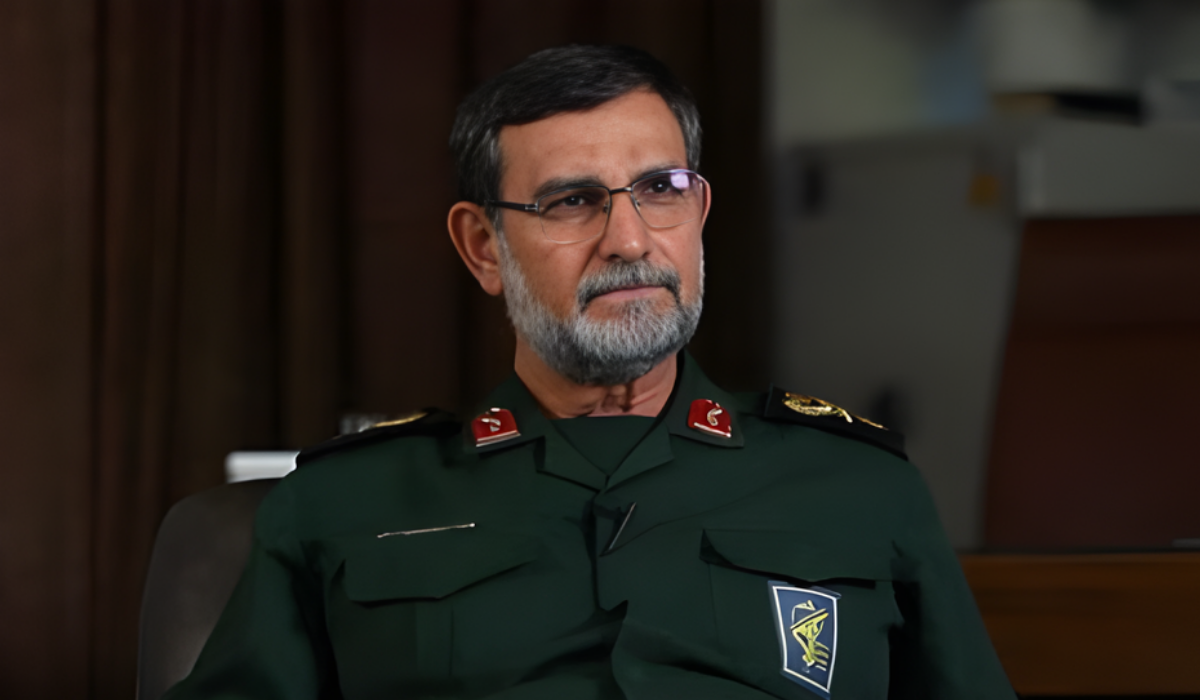
Tangsiri was among the few high-profile figures who had survived previous US-Israeli assassination attempts. A seasoned commander who had led the force since 2018, he played a crucial role in Iran’s efforts to control and close the Strait of Hormuz.
Islamic Revolutionary Guard Corps naval commander Alireza Tangsiri has reportedly been killed in a US-Israeli strike in the coastal city of Bandar Abbas, according to Israeli media citing an official source. A report by The Times of Israel said Tangsiri played a key role in overseeing the closure of the Strait of Hormuz.
There has been no immediate confirmation from Iran or the Israeli military regarding the strike. If verified, his death would mark one of the most significant high-profile casualties in the conflict, now entering its fourth week.
Tangsiri was among the few senior figures who had previously survived US-Israeli assassination attempts. A seasoned commander since 2018, he was instrumental in Iran’s efforts related to the closure of the Strait of Hormuz.
Iran’s shutdown of the Strait of Hormuz
With its tight grip over traffic through the Strait of Hormuz – a key passage linking the Persian Gulf to open seas – Iran has been stopping vessels it suspects are tied to the US and Israeli war effort, while allowing limited movement of others.
In normal conditions, nearly 20% of the world’s traded oil and natural gas passes through this crucial waterway, underscoring its global importance.
Tehran’s tightening grip on the Strait of Hormuz has led to a dramatic 95% drop in daily energy shipments through the vital route. The waterway, which typically handles around 120 transits a day according to Lloyd’s List, saw just 155 crossings by commodity carriers between March 1 and 25, as per data from Kpler – marking a steep decline.
Of these, 99 were oil tankers and gas carriers, with most vessels moving eastward out of the strait. On Wednesday, only two ships were recorded crossing, both heading west.
Reports from Fars News Agency and Tasnim News Agency – both closely aligned with Iran’s paramilitary Islamic Revolutionary Guard Corps—suggest that Tehran is also working to formalize a system of charging ships for passage. The move is being described as a de facto “toll booth” arrangement, with some vessels reportedly paying in Chinese yuan to transit the strait.
Killing of Iranian leaders
Several senior Iranian figures, including veteran Supreme Leader Ali Khamenei and multiple Revolutionary Guard commanders, have reportedly been killed in US-Israeli strikes. Despite these losses, Iran’s ruling system has continued to function and coordinate its war strategy since the conflict began on February 28.
Formed after the Iranian Revolution, the Islamic Republic developed a layered power structure built on interconnected institutions, prioritising the survival of its theocratic system rather than relying on a few individuals.
Iran’s governance combines clerical authority with an elected president and parliament, all of which play key roles alongside the Revolutionary Guards in running the state.
The killing of Ali Larijani – a close adviser to Khamenei – earlier this month dealt a significant blow to the leadership due to his experience, ability to navigate internal power centres, and diplomatic skill.
While other capable figures remain, those likely to replace Larijani and other slain leaders may adopt a more hardline stance than their predecessors.