
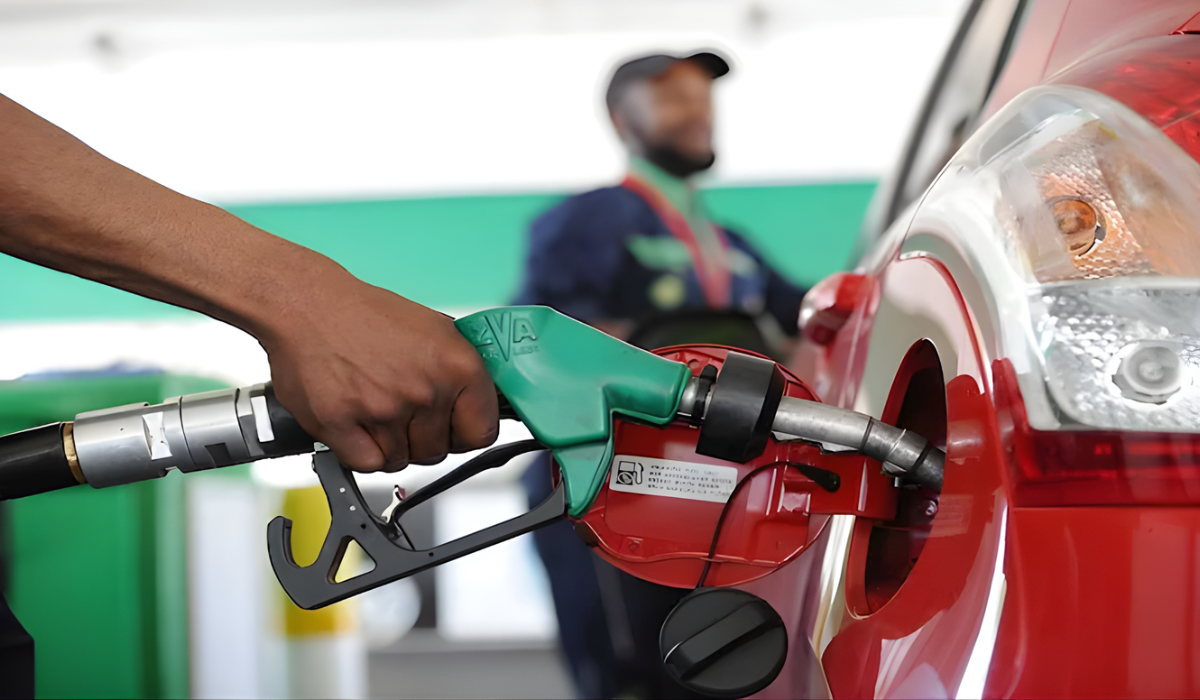
The government’s decision to reduce excise duty on petrol and diesel by ₹10 has sparked hopes of relief for consumers, but a drop in retail fuel prices is not guaranteed.
Excise duty on petrol has been brought down from ₹13 per litre to ₹3, while diesel duty has been reduced from ₹10 per litre to zero.
Although this move should ideally lower prices at the pump, the reality is more complex. In India, retail fuel prices are not directly controlled by the government.
Instead, oil marketing companies like Indian Oil Corporation, Bharat Petroleum Corporation and Hindustan Petroleum Corporation determine prices based on global crude oil rates, currency exchange fluctuations, and their own margins before making any revisions.
Why consumers may not see a drop in fuel prices
According to experts, it is unlikely that oil companies will immediately pass on the benefits of the duty cut to consumers. This is largely because they have been absorbing the impact of rising crude oil prices in recent weeks amid the ongoing conflict in West Asia.
The timing of the duty reduction is also notable, coming just a day after Nayara Energy increased petrol and diesel prices, underscoring the mounting pressure on fuel retailers.
In this scenario, companies may opt to use the duty relief to recover earlier losses or stabilise their margins instead of reducing prices immediately. As a result, even though the government has lowered its tax component, consumers may not see the full benefit right away.
Government on excise duty cut
According to Oil Minister Hardeep Singh Puri, international crude oil prices have surged sharply over the past month, rising from about $70 per barrel to nearly $122. Consequently, fuel prices have increased significantly worldwide, with several regions witnessing hikes of 30% to 50%.
The minister stated that the government had to choose between passing the full burden on to consumers or absorbing part of the shock itself. The decision to reduce excise duty, he explained, was aimed at shielding Indian consumers, even at the cost of lower government revenues.
He also pointed out that oil marketing companies are currently incurring significant losses-estimated at around ₹24 per litre on petrol and ₹30 per litre on diesel at prevailing global prices – and that the duty cut would help ease some of this strain.
The primary driver of fuel prices continues to be global crude oil. Brent crude remains above $100 per barrel, reflecting ongoing geopolitical tensions and supply uncertainties.
As long as crude prices stay elevated, oil companies have limited scope to meaningfully reduce retail prices. Any further escalation in global tensions could push oil prices even higher, adding more pressure on fuel costs.
In this backdrop, the excise duty cut functions more as a cushion than a direct price reduction. It gives oil companies some breathing room to manage costs without immediately increasing prices, rather than compelling a drop in retail rates.
For consumers, the immediate relief is likely to be modest. Petrol and diesel prices may not fall sharply despite the duty cut, but the move could help prevent further increases in the near term.
In essence, while the cut may not make fuel cheaper right away, it could act as a safeguard against further price hikes during a period of global uncertainty.