
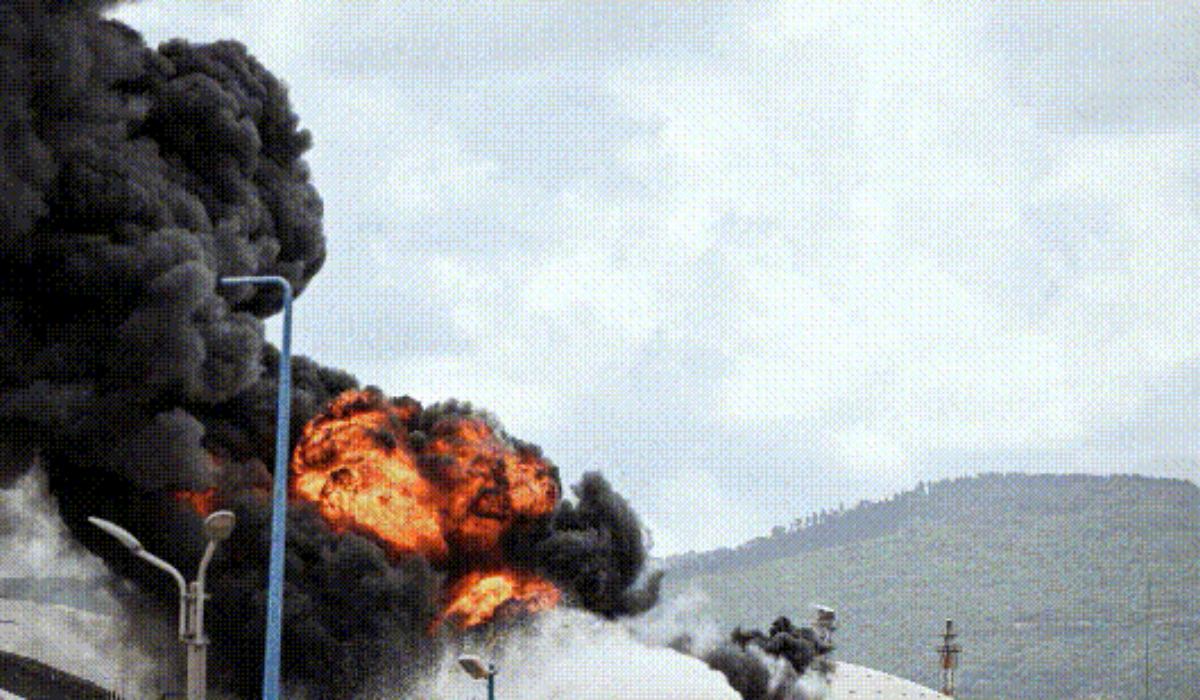
The ongoing Iran war is increasingly affecting small businesses across the United States, with disrupted shipping routes, rising costs, and weakened consumer spending creating new challenges for owners already dealing with economic uncertainty.
Small business owners say the pandemic caused more severe supply chain disruptions – but they worry that if the war continues for months, it could begin to approach similar levels.
“The costs are increasing, routes are shifting, and capacity is tightening – all at once. It creates a perfect storm for small businesses,” Brandon Fried, executive director of the Airforwarders Association, told the news agency AP.
Choked Routes Leave Exports Stranded
For some exporters, the disruption has led to significant financial losses.
At Nichols Farms, a pistachio grower and processor in California, shipments worth millions of dollars have been left in limbo. The United States is the world’s largest exporter of pistachios, and the company sends around half of its produce overseas, including to markets in Europe, China, and the Middle East.
With the Strait of Hormuz effectively shut, deliveries to countries such as Saudi Arabia, Iran, and the United Arab Emirates have been severely disrupted. Around $5 million worth of pistachios were left stranded when the conflict escalated, with only a portion successfully rerouted through alternative ports.
“A lot of it has just been in limbo,” said Jared Lorraine, the company’s chief operating officer. “It’s literally been sitting idle for the last three weeks, and we’re just asking, OK, what do we do next?”
Shipping Expenses Surge, Pressuring Manufacturers
The ripple effects are also being felt by businesses that depend on global supply chains.
Matthew Tran, founder of footwear brand Birchbury, said container shipping costs from Vietnam have doubled since the war began – rising from around $3,500 to $7,000. Delivery timelines have also been extended by several weeks, according to AP.
“It’s like a traffic jam,” he said, explaining that congestion across shipping routes has slowed deliveries – even on routes not directly connected to the conflict zone.
While he believes the pandemic caused greater disruption, Tran remains cautious about how prolonged instability could impact demand. “They always say wars will be short, but they rarely are,” he said.
With fuel prices on the rise, he fears customers may cut back on discretionary spending. “Customers may not fully realise it, but their fuel costs have gone up too… so buying a new pair of shoes becomes less of a priority.”
Fertiliser Concerns Impact Local Services
The impact extends beyond exporters and manufacturers, with service businesses also preparing for rising input costs.
Jake Wilson, who runs a lawn care business in Kansas City, said suppliers had warned him early on about a likely spike in fertiliser prices. The Middle East accounts for a significant share of global fertiliser exports, making the sector particularly vulnerable to disruptions.
To stay ahead, Wilson is stockpiling supplies well beyond his usual cycle, aiming to lock in prices before any further increases.
“It’s on me to stay ahead of it… so I can remain profitable while keeping prices in line with what I quoted at the start of the year,” he said.
Since most customers pay upfront for annual services, he is hesitant to pass on additional costs in the middle of the year.
Fuel Price Surge Impacts Deliveries
In Chicago, electronics retailer Abt Electronics is grappling with rising fuel costs as it operates a large fleet of delivery vehicles. With diesel and petrol prices climbing, the cost of offering free delivery – a key customer incentive – is increasingly under pressure.
“It’s an eye-opening expense,” said Jon Abt, adding that the increase will impact both in-house deliveries and third-party shipping partners.
For now, the company plans to absorb the added costs instead of passing them on right away. “We prefer to keep deliveries free, and that’s what customers have come to expect,” he said.
While many businesses say disruptions during the COVID-19 pandemic were more severe, there is increasing concern that a prolonged conflict could bring current challenges close to similar levels.